Belisarius: Fortune's Favor
Posted on
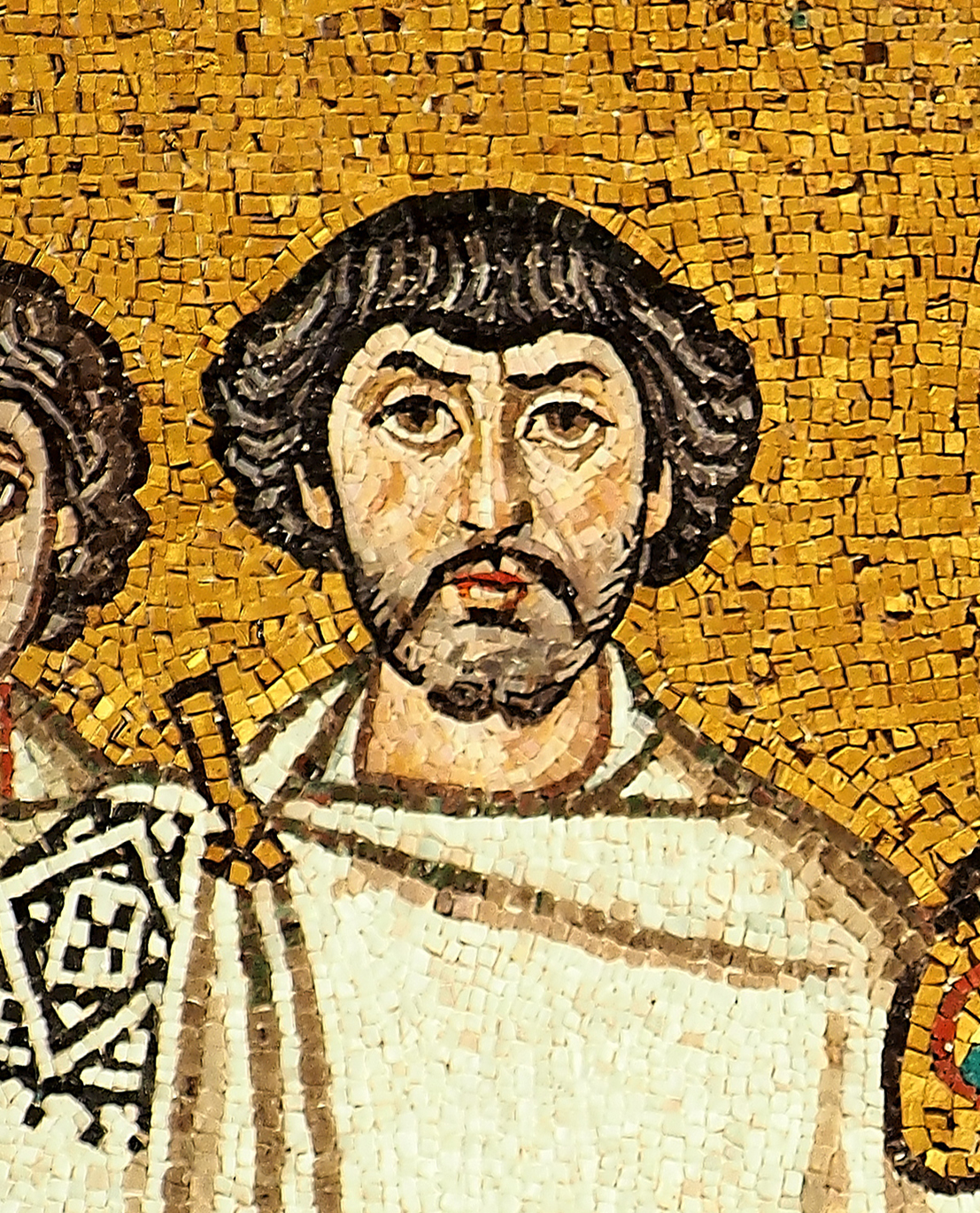
For most of the 4th century, the Sassanids and the Eastern Roman Empire shared wary co-existence due to the presence of a common enemy on the north, the Huns. However this wouldn’t last very long, in 525, the Christian Iberian state in the Caucasus, a vassal of the Sassanids, asks the Romans for aid when the Persian king tried to impose Zoroastrian rituals on the country. The Romans sent military aid which lead to the conflict between the Sassanids and the Romans to escalate. The Romans were building a fort at the border city of Minduos during the conflict when the were raided by the Sassanids and the building works destroyed and men slaughtered, however one of the generals that managed to escape, was Flavius Belisarius. This is where Belisarius is noticed and the next year promoted to be the commander of all the Roman troops in the east even though he is very young (about 30 at this point). In this article, i plan on highlighting key events in the battles and life of Belisarius and thus imply how luck is a very real thing and all great generals in history had plenty of it.
Belisarius not being held accountable for what happened at the fort of Minduos was the start of it all. You can get the idea of where this is going. Why was he not held accountable you may ask, there is no reason we know of, however we can have some guesses. The first one being that he might not be the commander in charge but a sub-commander, but then why would the Emperor promote a sub-commander who just failed to protect a fort to command such a massive army?. Another thing to note here is that Belisarius and the Emperor Justinian were old comrades and shared same rural culture in the Balkans. It is also to be noted that Belisarius’s wife and the Emperor wife were best friends. Now we have seen multiple instances in history where the Ruler on countless occasions have been biased and manipulated into making decisions he would otherwise not make, if not for his consort(s). This relation between the wives of Justinian and Belisarius plays a key role in the story.
However, i am not implying Belisarius was a great general just from his sheer luck, undoubtedly he was great in tactics and commanding his forces. The battle of Dara for instance, for some reason he takes the stand outside the fort and has trenches dug. With his wise planning of distributing troops at key locations, he manages to win a battle against an army twice his size. It all went well when everything was planned but not so well when he didn’t. The Sassanids sent a raiding party along the Euphrates just for the loot and not territorial gain, Belisarius halts their advances and they began retreating, however due to his subordinates pressurizing him to finish off the enemy, he against his better judgement launches an attack and his army utterly devasted at Callinicium, he is removed from command after this humiliation and called back to Constantinople. Now here comes another chance for him to restore his reputation just an year after his discharge.
Major riots break out at Constantinople, well known as the Nika riots which took place to over through Justinian over the course of a week. The most common view is that Justinian’s miscommunication, indecisiveness and inconsistency with the circus factions caused and escalated the riots. At first the demand was to free some jailed comrades but then there were calls for a new emperor, Hypatius and its very clear at this point that the riots had the senate backing. The riots were one of the most violent riots in the city’s history, with nearly half of Constantinople being burned or destroyed and tens of thousands of people killed. Justinian, at this great peril, wonders if he should flee the capital. However he decides not to and decides to crush the revolt. How convenient for Belisarius to be there at that moment right?. He orders Belisarius and Mundus to end the revolt for good. You can guess how it must’ve went, well trained war veterans versus revolting circus watchers. This event earns Belisarius the trust of Justinian once again just an year after Callinicium.
Now it was time for the Emperor to gain his reputation back which was shattered one after the another in quick succession in the past year. Heldric, the king of the Vandals had good relations with the Justinian, however his nephew Gelimer, overthrows Heldric and takes over the Empire. This gave Justinian a perfect reason to gain what the western roman empire had lost to vandals, including Rome itself. Belisarius is the leading commander for the campaign. With less than 30 thousand soldiers, Belisarius departs from Constantiople on a naval fleet towards North Africa. They make stops on the way to resupply stocks and take in more soldiers. One of the stops were in Sicily where Belisarius learns Gelimer is unaware of the impending doom coming from east and had sent his brother with most of the vandal fleet and 5,000 soldiers to Sardinia. Again, how very convenient for Belisarius. He then lands close to the Vandal capital of Carthage.
At one point, it is brought to his attention that some of his soldiers had stolen from the Libyan villagers which made him furious and he address his army calling them to be virtuous for God sides with the virtuous. There were many instances where he address his troops and even punishes them for their lack of virtue and engaging in crimes and sins against God. This shows he was a religious man, perhaps his luck was a divine gift. Perhaps luck comes as a divine gift from being virtuous I will write another article on this topic soon if God wills.
Coming back to the campaign, at Ad Decimum, the coastal road on which Belisarius is on, passes through a narrow gap between a salt marsh and sea, Cape Bon will also prevent his naval flank on the right from following him and Gelimer knows Belisarius will have to cross it. The Vandal plan was for Gelimer’s brother to attack head first from Carthage while Gelimer would flank them. Belisarius sets camp on the coastal road and sends his comrade John of Armenia to scout ahead with the Bucellarii, a very effective cavalry unit. John stumbles upon Gelimer’s brother who was unprepared and cuts him down. Gelimer’s brother’s unit were divided and left Carthage at different times. The plan was that once all of them joined the brother, they would charge but how unfortunate for them and fortunate for Belisarius. Now the Hun mercenaries encounter the unit of Gelimer’s nephew and they come to a standoff which later ends up with yet another Roman victory. Gelimer is now heading to the place with no knowledge of the status of his brother and nephew’s army. Belisarius sends the Roman cavalry ahead to check on the status of John’s unit but Gelimer charges from behind and they retreat in panic. Now Gelimer had two choice, either to enter Carthage and defend from within its fort and destroy John’s Vanguard in the process, or charge towards the Roman camp and hit the disorganized Roman cavalry. However Gelimer finds he body of his brother who was slain by the Hun Mercenaries, and is overcome with grief and picks neither of the options. How very convenient for Belisarius yet again. Taking advantage of the opportunity, Belisarius reorganises his cavalry and charges towards Gelimer. Gelimer’s other brother, who had set out with the naval fleet is now back and Gelmer is now reinforced. Belisarius comes out of carthage to face off the enemy, however the Vandals are their first well organized and ready while the Roman camp only had few unorganized infantry units. Gelimer fails to take advantage once again and does nothing and soon the Romans are ready to roll. This cannot be counted as luck in Belisarius’s favor because it came from sheer indecisiveness of Gelimer, unlike the last time when the cause of his grief that made him indecisive was caused by just a casual scouting unit. Needless to say Gelimer looses the battle and flees. Months later, he submits and meanwhile Belisarius sends the head of Gelimer’s brother that was sent their to crush a revolt and they Italian islands of Corsica and Sardinia instantly submits to Roman rule and thus the North Africa was back under the Roman Rule.
The entire campaign was almost a miracle, Procopius, the head advisor of Belisarius in the campaign recorded the events and in his book History of the Wars states, “Weather such events as these ever took place before I am not able to say, the vandal kingdom at the height of its strength and wealth completely undone in such shorter time by just 5 thousand men, for whether this happened by chance or valour one would justly marvel at it”. We can see here that his advisor himself acknowledges the fact that the victory in the campaign could’ve “by chance”.
Further on, there are many more similar accounts of luck playing a role in his campaigns, including the campaign that conquered Rome itself. It must be evident now that without luck there cannot be a good general. Yes a commander’s skills are equally crucial but there must’ve been countless unnamed extremely skilled commanders and generals whom history does not remember because luck was not on their side. One could call it fate, but its more than that, for fate alone cannot bring success and fame that is remembered for centuries. Belisarius took advantage of the opportunities granted to him by his luck and he arguably could not have done so if he were unskilled. Luck is given to all, though not equally but those who capitalize on it and work, for them more doors of luck open. Gelimer for instance had two perfect opportunities to end Belisarius but failed to use his chance and thus perished. Luck is like a campfire that provides you heat at the cold of the night, if you use the heat to light more woods, it brings more warmth, however if you just watch and do nothing you will freeze to death.